Stress and Jaw Pain: What Is the Connection?


Most people with jaw pain notice a pattern eventually. The pain is worse during a difficult month at work, in the lead up to exams, or after a period of poor sleep, then it eases when life settles. That observation is worth taking seriously, because the link between stress and jaw pain is well recognised. Understanding how the connection works also explains why some treatments help and others do not.
Is Jaw Pain Really Linked to Stress?
For most people, yes. Temporomandibular disorders, the group of conditions affecting the jaw muscles and joints, are strongly influenced by what is happening in the rest of your life. Research consistently shows higher rates of jaw muscle pain in people going through periods of psychological or social stress, poor sleep or low mood.
That does not mean stress is the only factor, and it does not mean everyone with jaw pain is stressed. Jaw pain has multiple contributors, including injury, habits, sleep quality and general health. Stress is one important thread rather than the whole picture.
How Does Stress Affect the Jaw Muscles?
Three mechanisms matter most.
The first is muscle activity. Under stress, people are more likely to clench the teeth, hold the jaw tense, or press the tongue and teeth together during the day, often without noticing. Muscles held in sustained low level contraction become fatigued and tender in the same way any overworked muscle does.
The second is sleep. Stress disrupts sleep quality, and disturbed sleep is associated with more grinding activity at night as well as reduced tolerance to pain the following day.
The third is pain processing. Ongoing stress changes how sensitive the nervous system is, so the same amount of muscle activity produces more pain. This is a physiological change, not imagination.
Why Is the Pain Often Worse at Particular Times of Day?
Pain that is at its worst on waking, along with morning stiffness or a tired feeling in the jaw, often points towards night time teeth clenching or grinding. Pain that builds through the day and peaks in the afternoon or evening more often reflects daytime habits: clenching while concentrating, driving, scrolling on a phone, or working at a screen.
Noticing which pattern fits you is useful, because the management differs. Daytime habits respond well to awareness and behavioural strategies. Night time activity is harder to control directly and is often approached differently.
Does This Mean the Pain Is All in My Head?
No. This is the single most common misunderstanding, and it is worth addressing directly. The pain you feel comes from real muscle and joint tissue that is working harder than it should, and from a nervous system that is responding as it is designed to. Stress influences those systems, which is a biological process rather than a character flaw or a sign that you are imagining symptoms.
Understanding the role of stress is helpful precisely because it opens up treatment options that work, rather than leaving you searching for a structural problem that may not exist.
What Treatment Approaches Are Used?
Management is usually layered, and most people need more than one element.
Education and habit awareness come first. Learning to notice clenching and to keep the jaw in a resting position, with teeth apart and lips together, addresses a major driver of muscle pain.
Physical threapy approaches, including jaw and neck exercises, heat, gentle massage and posture work, help settle overworked muscles. These are often guided by an oral medicine specialist or physiotherapist with an interest in jaw pain.
Sleep and stress management strategies, including cognitive behavioural approaches, relaxation training and attention to sleep routine, are supported by good evidence in this area.
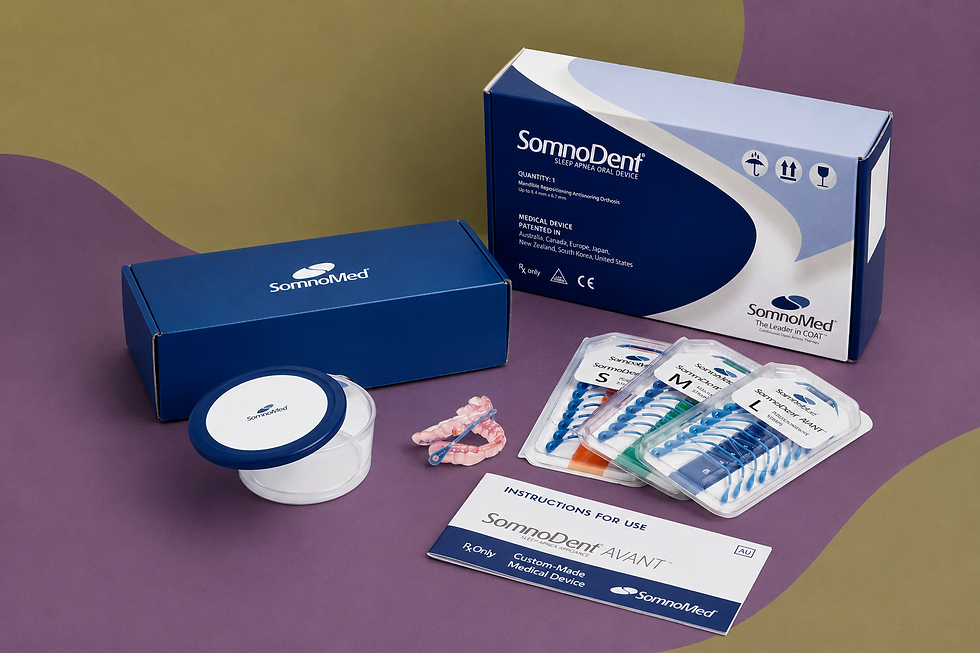
An occlusal splint may be prescribed, particularly where night time teeth clenching or grinding is contributing or the teeth need protection. A splint is one part of a broader plan rather than a standalone answer.
Medication has a role in some presentations, usually short term or for specific pain patterns, and is decided case by case.
What Can I Start Doing Myself?
Set reminders through the day to check your jaw position, and let the teeth come apart when you catch yourself clenching. Notice the situations that trigger it, since the trigger is often more useful to change than the habit itself. Prioritise sleep.
Reduce hard, chewy foods during a flare. Apply warmth to sore muscles for short periods. Keep gently moving the jaw rather than holding it rigid, since immobility tends to make muscle pain worse.
When Should I Have It Assessed?
Have your jaw assessed if the pain has lasted more than a few weeks, if it is limiting eating or opening, if the joint locks or catches, if there is swelling, or if the pain is changing in character. Assessment can confirm what is driving your symptoms, rule out other causes of facial pain, and give you a plan matched to your particular pattern rather than general advice.
To learn more, call us on (08) 9376 6789.
IMPORTANT: This content is for general information purposes only. It does not constitute medical or dental advice. Readers should consult a qualified health professional regarding any personal health concerns.