Does Your Bite Really Cause TMJ Problems?


If you have searched for answers about jaw pain, you have almost certainly come across the claim that your bite is to blame and that correcting it will fix the problem. It is one of the most persistent ideas in this field. It is also one where current scientific evidence and popular belief have drifted a long way apart, and the gap matters, because it determines whether people are offered conservative, effective care or permanent changes to their teeth.
Where Did the Idea Come From?
For much of the twentieth century, temporomandibular disorders were understood mainly as a mechanical problem. The reasoning was intuitive: the teeth guide the jaw, so if the teeth meet unevenly, the jaw must be forced into a strained position, and the muscles and joint must suffer as a result.
That model led to widespread use of treatments aimed at changing the bite, including grinding of tooth surfaces, extensive crown and bridge work, orthodontics and surgery prescribed specifically to treat jaw pain.
What Does Current Evidence Say?
Decades of research have not supported the model. Studies comparing people with and without jaw pain repeatedly find that specific bite characteristics are poor predictors of who develops symptoms.
Many people with markedly uneven bites have no jaw pain at all, while many people with textbook bites have significant symptoms.
Contemporary understanding treats temporomandibular disorders as multifactorial. The recognised contributors include muscle overactivity such as clenching and grinding, psychological stress, poor sleep, trauma to the jaw, joint changes including disc displacement and arthritis, genetic factors, other chronic pain conditions and how the nervous system processes pain. The bite may play a minor role in a few individuals, though it is not the main driver of the jaw pain.
Why Does My Bite Feel Off When My Jaw Hurts?
This is an important distinction. A bite that feels different is a very common symptom of jaw problems rather than the cause of them.
When jaw muscles are contracted/tight or a joint is inflamed or swollen, the position of the jaw changes slightly. The teeth then meet differently, and the bite feels wrong. Treat the underlying muscle or joint problem and the altered bite sensation usually settles. Reshaping the teeth to match a temporarily altered jaw position risks creating a permanent problem once the jaw returns to normal.
Does That Mean Bite Treatment Never Helps?
Not quite, and the nuance is worth stating clearly. There are situations where occlusal factors are relevant, such as a recent dental restoration that is clearly high and has triggered symptoms, a significant bite change after trauma or surgery, or a bite that has altered because of joint disease. In those cases the bite is addressed as part of overall care.
What the evidence does not support is treating the bite as the routine first line answer for jaw pain, or performing irreversible dental treatment on teeth in the hope of relieving symptoms.
Why Avoid Irreversible Treatment for Jaw Pain?
Because the changes cannot be undone if they do not help. Grinding down enamel, crowning multiple teeth, moving teeth orthodontically or jaw alignment surgery to treat pain commits you to a permanent alteration on the basis of an uncertain rationale. If symptoms persist afterwards, which happens often, you are left with both the pain and the irreversible change.
Reversible approaches carry no such risk. If they do not help, they can simply be stopped, and other options remain open.
What Is Recommended Instead?
Care usually begins with conservative, reversible measures: education about the condition, habit awareness, jaw rest, heat, a soft diet during flares, attention to sleep and stress, and physiotherapy where appropriate.
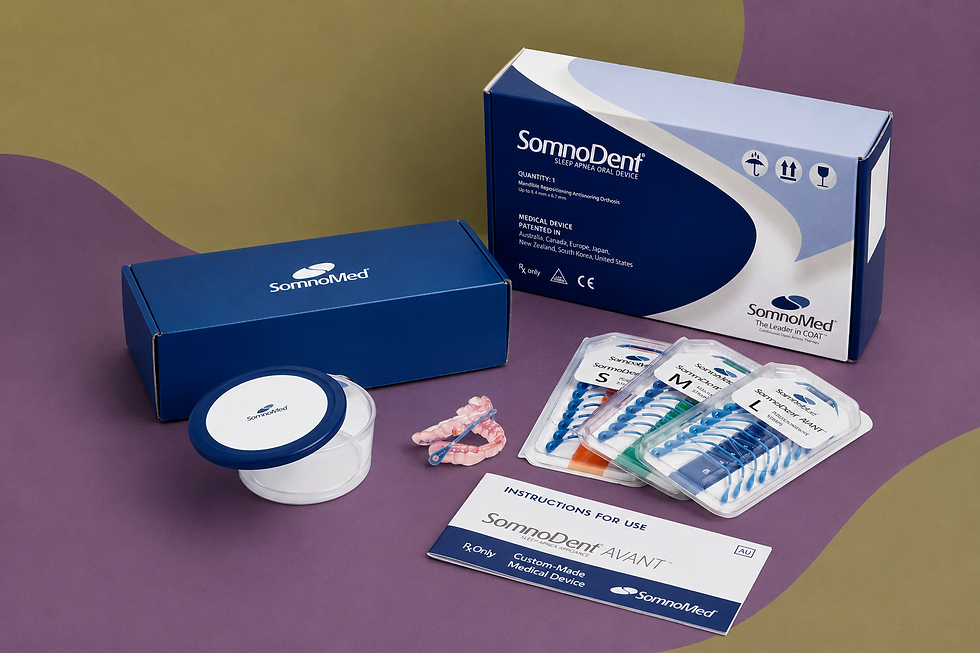
An occlusal splint may be prescribed. It is worth understanding that a splint does not permanently change the bite. It provides a smooth, even surface to distribute load and allows the muscles to settle, and it can be removed at any time.
Medication, injections or further imaging are considered in selected cases, and referral for joint specific management is arranged where the joint itself is the primary problem.
What If My Bite Really Has Changed?
A bite that has changed noticeably and persistently, rather than fluctuating with symptoms, does need assessment. Persistent bite change can reflect joint conditions such as inflammatory arthritis or degenerative change, and identifying that is useful. The assessment is the same starting point: work out what is happening in the joint and muscles first, and make decisions about the teeth afterwards rather than the other way around.
What Should I Do Next?
If you have jaw pain and have been told your bite needs permanent correction to fix it, it is reasonable to seek a second opinion before committing to irreversible treatment. An assessment with an oral medicine specialist experienced in temporomandibular disorders will look at the muscles, the joints, your habits and your general health, and set out the options in order from reversible to permanent.
To learn more, call us on (08) 9376 6789.
IMPORTANT: This content is for general information purposes only. It does not constitute medical or dental advice. Readers should consult a qualified health professional regarding any personal health concerns.